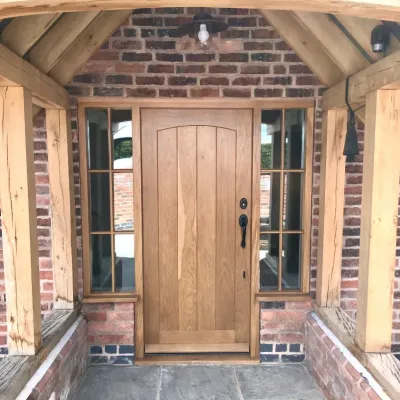
Timber vs uPVC Doors: Which Is Best for Nottingham Homes?
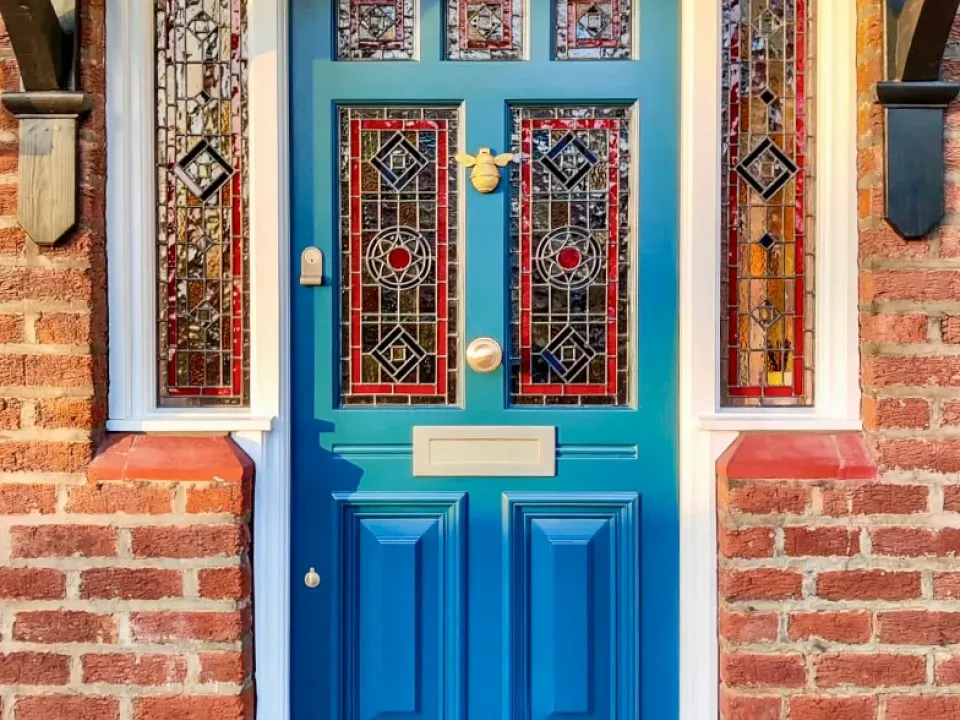
For most Nottingham period homes, a well-made timber door is the better long-term choice: it looks right, can be repaired and repainted for decades, and performs well when properly built and sealed. uPVC wins on upfront price and minimal upkeep, which suits many modern houses and rental properties. This guide compares the two on lifespan, insulation, maintenance, security and kerb appeal, so you can decide what's right for your home.
We make timber doors, so we're not neutral, but we'll be honest about where uPVC makes sense. Everything we build comes from our Nottingham workshop as part of the full range of joinery we offer, and we'd rather you chose the right door than the wrong one from us.
Timber vs uPVC at a Glance
| Factor | Timber | uPVC |
|---|---|---|
| Lifespan | Decades when well made and maintained; repairable | Long-lasting, but damaged parts usually mean replacement |
| Insulation | Natural insulator; performance depends on build, glazing and seals | Insulated cores and frames; performance depends on the product |
| Maintenance | Periodic repainting or re-staining | Occasional cleaning; can't easily be repainted |
| Appearance | Authentic proportions, mouldings and finishes | Limited profiles; can look out of place on period homes |
| Upfront cost | Higher | Lower |
| Conservation areas | Generally preferred, and expected on listed buildings | May be resisted, especially under Article 4 |
Durability and Lifespan: Solid Wood vs uPVC
uPVC's appeal is that it doesn't rot and doesn't need painting. The trade-off is that it's hard to repair. A cracked panel, a frame that has yellowed or faded, or failed hinges and locks on an older system usually mean replacing the whole door, because matching parts may no longer be made.
Solid timber works the other way round. It needs looking after, but almost everything about it can be put right. Joints can be re-glued, damaged sections spliced in, mouldings re-cut, and the whole door stripped and refinished. That's why so many Victorian terraces in Sherwood and Lenton still have their original doors after well over a century.
How long a timber door lasts depends on how it's made. Doors built in quality hardwood with traditional mortice and tenon joints, properly sealed on every face including the top and bottom edges, are a very different proposition from cheap softwood doors with dowelled joints. Every door we make is built in solid hardwood using mortice and tenon joinery for exactly that reason.
Insulation and Thermal Efficiency Compared
It's often assumed that uPVC is warmer. In reality, thermal performance depends on the whole door rather than the material label: the construction, the glazing, the seals and how accurately the door fits its frame. Timber is a natural insulator, and a well-made timber door with good glazing, weather seals and a properly fitted threshold can perform very well.
Fit matters more than most people realise. A standard-size door of either material trimmed to suit an out-of-square Victorian opening will leak air around the edges, however good its core. A door made to measure for the opening seals properly from the start.
Whichever material you choose, a replacement external door must meet current Building Regulations for thermal performance. A reputable maker will confirm how their door complies.
Maintenance: What Each Option Really Asks of You
- uPVC: an occasional wash and a squirt of lubricant on the locks and hinges. It can't easily be repainted if you change your mind about the colour, and scratches and discolouration are hard to put right.
- Timber: a wash down, a yearly check of the finish, especially on the bottom rail and any south-facing door, and a fresh coat of paint or stain every few years depending on exposure. Dents and knocks can be filled and touched in, and a new colour is just a repaint away.
For most homeowners, timber maintenance is a weekend every few years rather than a constant chore, provided the door was properly finished in the first place.
Security
Both materials can make a secure door. Security depends far more on the construction, the locking system and how the door is fitted than on whether it's timber or plastic. A solid hardwood door with a good multi-point lock and a well-fixed frame is a serious barrier. We've written separately about the strength of wooden entrance doors if security is your main concern.
Environmental Impact
Timber is a renewable material when it comes from responsibly managed forests, and certification schemes such as FSC and PEFC exist so you can check where it came from. Ask any joiner you're considering about the source of their timber. A timber door that is repaired and refinished rather than replaced also avoids the waste of a whole new door every time something goes wrong.
uPVC is a plastic made from fossil-fuel-derived materials. Recycling schemes for old uPVC windows and doors do exist, but a damaged uPVC door is generally replaced rather than mended. If keeping materials in use for as long as possible matters to you, that's a point in timber's favour.
Kerb Appeal and Resale Value in Nottingham Neighbourhoods
This is where the gap is widest. Nottingham's period streets, from the villas of Mapperley Park and The Park to the Edwardian semis of Sherwood and the 1930s houses of Wollaton, were built with timber doors designed for their architecture. Panel proportions, mouldings, fanlights and stained glass are hard to reproduce convincingly in uPVC, and a plastic door often stands out on a terrace where the neighbours have kept their originals.
Buyers of period homes generally value original or authentic-looking features, so a door that suits the house is part of what makes a good first impression. On a modern estate house the argument is weaker, and uPVC can be a perfectly sensible choice.
If your home is listed or in a conservation area, the decision may not be entirely yours. Our guide to conservation area door rules in Nottingham explains when consent is needed.
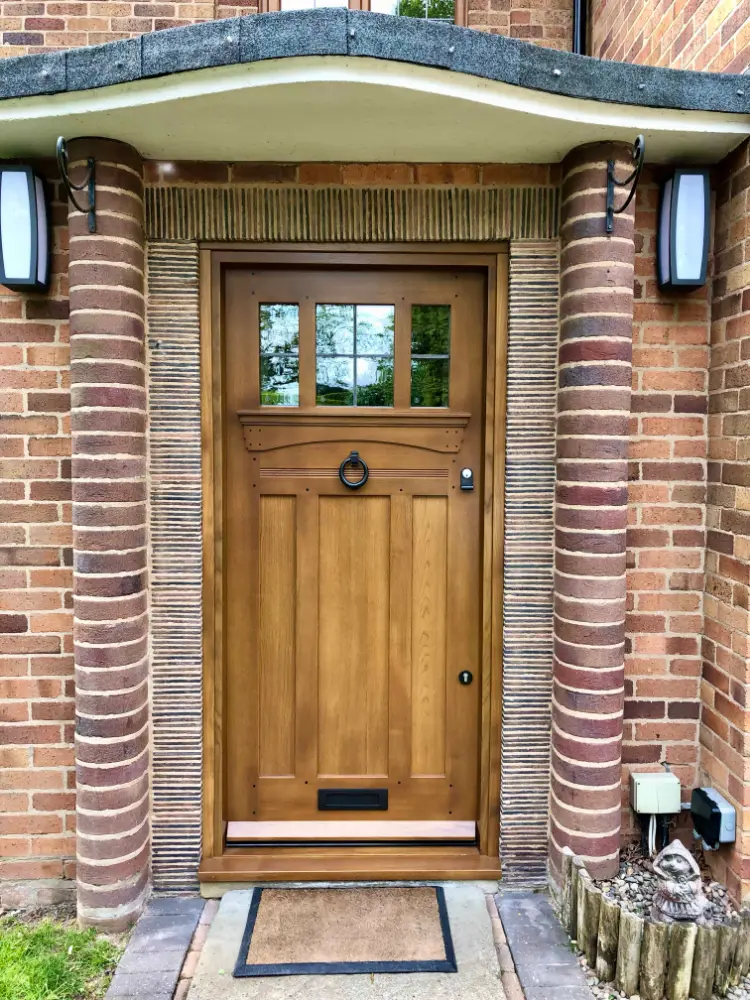
Cost: The Short Version
uPVC is cheaper upfront, and bespoke timber costs more because each door is designed and made by hand for its opening. Our guide to bespoke wooden door costs in Nottingham explains what drives the price.
What About Composite Doors?
Composite doors sit between the two, with a reinforced core and a moulded skin, and they're a common alternative to both. We've compared them separately in our guide to composite doors vs wooden doors.
Our Verdict
- Choose timber if you live in a period home, value appearance and longevity, plan to stay, or are in a conservation area.
- Choose uPVC if your house is modern, your budget is tight, and minimal maintenance matters more than authenticity.
If you're unsure, look at the original houses on your street. The doors they were built with are usually the best guide to what your house needs. Our handcrafted external wooden doors show what that looks like in practice.
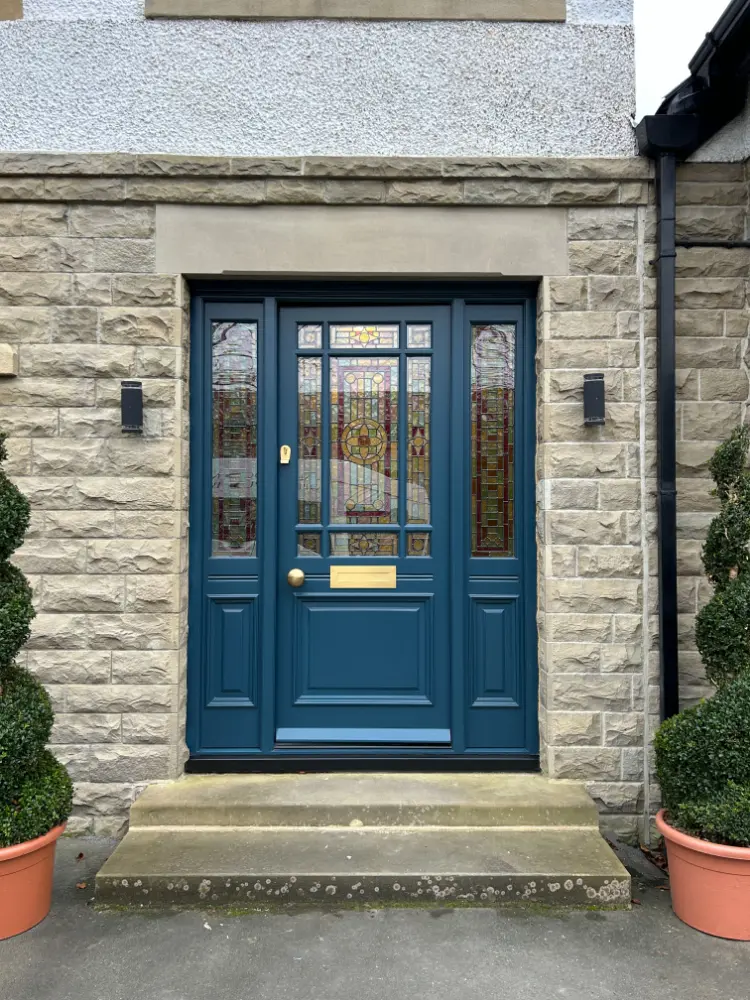
Frequently Asked Questions
Is timber or uPVC better for a front door?
It depends on the house and how long you plan to stay. uPVC is cheaper upfront and needs very little attention. Timber looks right on a period property, can be repaired and repainted rather than replaced, and lasts for decades when it's well made and maintained.
Do wooden doors need a lot of maintenance?
Less than many people expect. A well-made timber door with a good paint or stain system needs a wash down, a check of the finish, and repainting every few years depending on exposure. Small knocks can be filled and touched in, which isn't possible with uPVC.
Are uPVC doors more energy efficient than timber doors?
Not automatically. Thermal performance depends on the whole door: its construction, the glazing, the seals and how well it fits the frame. Timber is a natural insulator, and a well-made timber door with good glazing and seals can perform very well. Any replacement external door must meet current Building Regulations.
Can I put a uPVC door on a house in a conservation area?
It depends on whether the house is listed and whether an Article 4 direction applies. On listed buildings and in Article 4 areas, a uPVC replacement for a timber door is likely to need consent and may not be accepted. Check with the council before ordering.
Which lasts longer, timber or uPVC?
A well-made, well-maintained timber door can last for generations; many Nottingham houses still have their original Victorian doors. uPVC doesn't rot, but when its frame or panels are damaged or discoloured, replacement is usually the only option.
Thinking About Replacing a uPVC Door?
We'll look at your property, talk through timber options and give you a clear, free, no-obligation quote, made and fitted by our own team. You can also browse doors we've made for period homes.
Looking to enhance your period home with bespoke craftsmanship? At Old English Doors, we specialise in creating custom wooden doors, windows, porches, and more - designed to reflect your home’s unique charm. Contact us today for a personalised quote and bring timeless elegance to your property.