Solid Oak vs Softwood Doors: Which Suits Nottingham Properties?
Solid oak is the stronger, more durable choice for most Nottingham front doors, while softwood is lighter and cheaper but depends on treatment and a good paint finish to last outdoors. For internal doors the gap narrows, because weather isn't a factor. This guide compares the two on strength, longevity, cost and best use, so you can choose the right timber for your door and your house.
Every door we make is built in solid hardwood using traditional mortice and tenon joinery, the same approach behind all our heritage-compliant joinery. We'll still be straight about where softwood earns its place, because timber choice should follow the job rather than the other way round.
First, What Counts as Hardwood and Softwood?
The terms are botanical, not a measure of hardness. Hardwoods come from broadleaf trees such as oak, sapele and walnut. Softwoods come from conifers such as pine, spruce and fir. Most hardwoods used in joinery are denser and harder than most softwoods, but there are exceptions, and modern treatments blur the line further.
Accoya is the best-known example. It's a softwood, radiata pine, modified by a process called acetylation that makes it highly stable and durable. That's why you'll see it specified alongside hardwoods for external joinery, and why Nottingham City Council's conservation guidance names it among suitable timbers for windows in period buildings.
Strength and Longevity of Oak Versus Softwood
Natural durability
The British Woodworking Federation explains that a species' durability rating is based on how well its heartwood resists fungal decay, on a scale from Class 1 (very durable) to Class 5 (not durable). It describes European oak as a naturally durable timber, and notes that sapwood of any species is usually regarded as not durable. For softwood such as European redwood, it advises preservative treatment for exterior use.
In practical terms, a well-made oak door relies on the timber itself to resist decay, while a softwood door relies on its treatment and paint film. Both can last, but the softwood door has less margin for error if the finish is neglected.
Strength and stability
Oak is dense and strong, which suits heavy front doors carrying stained glass, substantial ironmongery and multi-point locks. Its weight also gives a reassuring solidity. The trade-off is movement: oak expands and contracts with moisture and can develop small surface checks, which is why it needs to be properly seasoned, carefully jointed and finished on every face.
Softwoods are lighter and generally easier to work, but less resistant to dents and knocks. Good-quality, slow-grown softwood with tight grain is far more stable than fast-grown timber, which is one reason older doors often outperform cheap modern ones made from the same species.
Finishing and weathering
Oak contains tannins that react with iron, causing black staining, so fixings and ironmongery should be stainless steel, brass or another compatible metal. Left without a finish, oak weathers to a silvery grey outdoors, which some people love. Most homeowners prefer an oil or microporous finish that keeps the warm colour and is easy to refresh. Softwood front doors are almost always painted, and the paint is doing the protective work.
Heartwood, sapwood and grain quality
The species name on a quote only tells part of the story. Durability ratings apply to heartwood, the dense, mature centre of the tree, and sapwood is usually regarded as not durable whatever the species. A door made from well-selected heartwood will outlast one made from the same species with a lot of sapwood in it. Grain matters too: straight, tight, slow-grown timber is more stable and less prone to twisting than wide-ringed, fast-grown stock. These are the details a good joiner selects for, and the ones that rarely show up in a price comparison.
Maintenance Compared
Both timbers need looking after, but in different ways. An oak door with an oiled or microporous finish needs a wash down and a fresh coat every few years, more often on south- and west-facing elevations. Surface checks and silvering are cosmetic and can be sanded and re-oiled. A painted softwood door needs its paint film kept intact, because once water gets through a crack in the paint and into the timber, decay can start unseen, particularly at the bottom rail and the joints.
A painted hardwood door sits between the two: the paint protects and decorates, and the timber underneath has its own durability if the finish is ever neglected for a while. For most period front doors, that's the most forgiving combination.
Cost Differences Between Hardwood and Softwood Joinery
Hardwood costs more than softwood per cubic metre, and dense timbers like oak are slower to machine and harder on tooling, so labour goes up too. The difference is noticeable on a door, where timber and workshop time make up much of the price.
Measured over the life of the door, the picture shifts. A durable hardwood door that is maintained can be repaired and refinished for decades, while a softwood door whose finish has failed may need major repairs or replacement sooner. If you're comparing quotes, check whether you're being offered solid timber, engineered timber or a veneered core, because they aren't like-for-like. Our guide to bespoke wooden door costs in Nottingham explains the other factors that move the price.
Best Use Cases for Each Timber Type
- External front and back doors: durable hardwood, or a modified timber such as Accoya. Oak where you want a natural finish; a stable, paint-grade hardwood where the door will be painted.
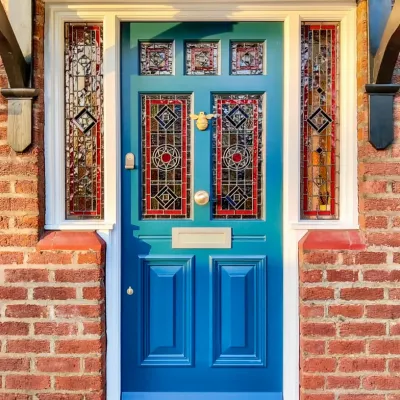
- Painted period front doors: paint-grade hardwood gives the look of a traditional painted Victorian or Georgian door with better durability than the softwood originals.
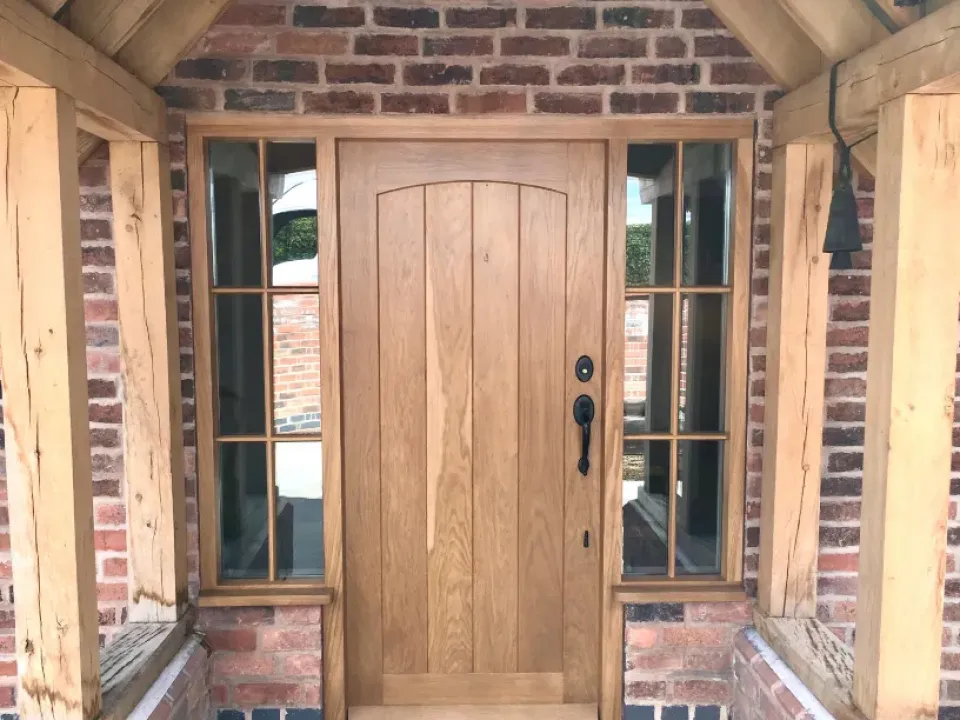
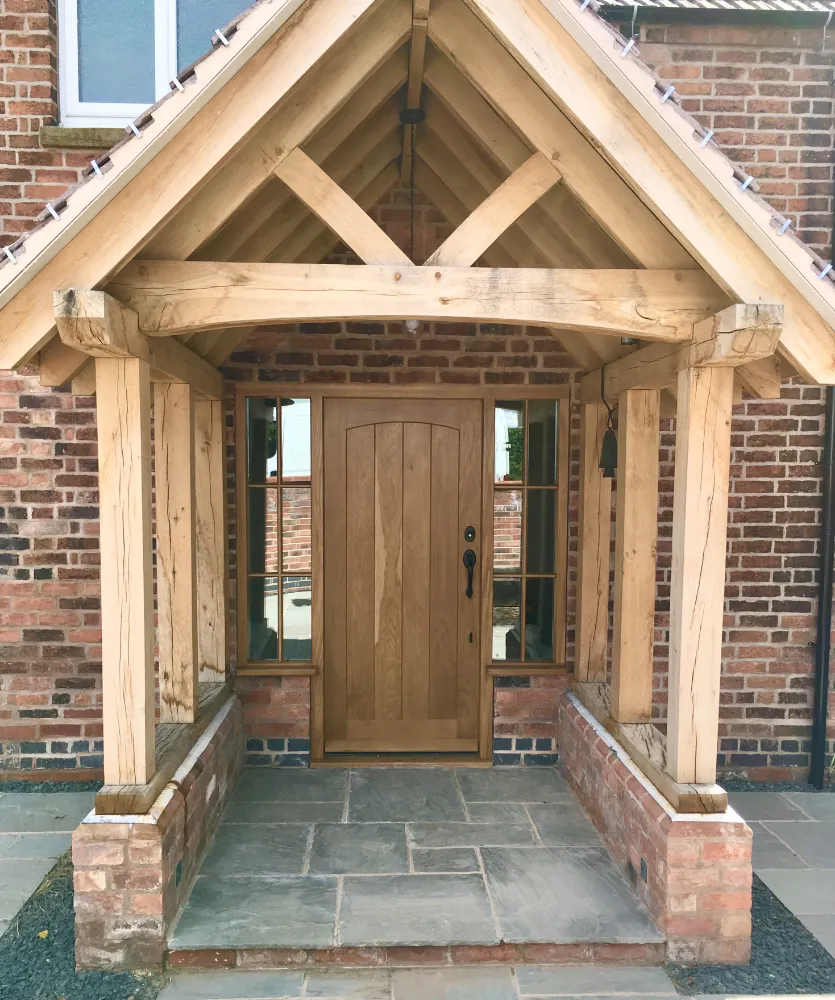
- Arts and Crafts, cottage and rural properties: oak with an oiled or clear finish, often with oak frames and porches to match.
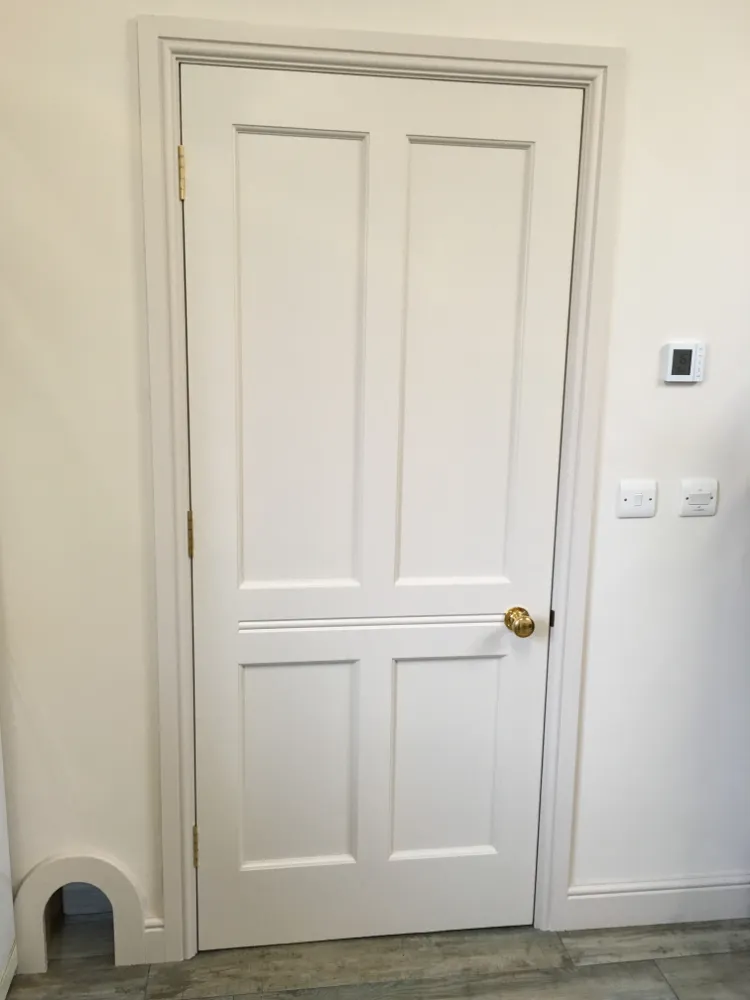
- Internal doors: the widest choice. Oak for natural-finish doors; painted doors where the priority is matching panel layouts and mouldings to surviving originals.
Because we build in solid hardwood, our recommendation for any door facing the weather is a durable hardwood. For internal doors we'll talk through the finish you want and what suits the rest of the house.
Questions to Ask Before You Choose
- Is the door solid timber throughout, or engineered or veneered?
- Which species is it, and is it heartwood?
- How are the joints made: mortice and tenon, or dowels?
- What finish will be applied, and is every face and edge sealed?
- Are the fixings and ironmongery compatible with the timber, especially with oak?
- How often will the finish need refreshing on your door's elevation?
Oak, Softwood and Period Properties
Many original Victorian doors in Nottingham's terraces were made in softwood and painted. Matching that look doesn't mean matching the timber: a painted hardwood door reproduces the panels, mouldings and colour while standing up better to the weather. Natural oak, on the other hand, belongs on houses that were built to show timber, such as Arts and Crafts homes and cottages. Our guide to choosing a wooden door for a period property explains how to match the door to the era.
If you're weighing timber against plastic altogether, see our comparison of timber vs uPVC doors.
Frequently Asked Questions
Is oak better than softwood for a front door?
For most external doors, yes. Oak heartwood is naturally durable and strong, so it copes with weather far better than untreated softwood. Softwood can work outdoors, but it depends on preservative treatment and a well-maintained finish to keep decay at bay.
Why were Victorian doors made of softwood?
Softwood such as pine or deal was plentiful and economical, and Victorian front doors were usually painted, so the timber wasn't on show. Where those doors were kept painted they often survived well; where the paint failed, the timber decayed.
Does an oak door need treating?
Oak heartwood doesn't need preservative treatment to resist decay, but it still needs a finish such as oil or a microporous stain to control weathering and movement. Left bare, oak turns silvery grey outdoors.
Is Accoya a hardwood or a softwood?
Accoya is a modified softwood. It starts as pine and is treated by acetylation, which makes it far more stable and durable. The British Woodworking Federation lists it as Class 1 durability, the highest category.
Should internal doors be oak or softwood?
Either can work indoors, because internal doors don't face weather. Oak suits doors you want to leave natural to show the grain. A painted door in a period home is about matching panels and mouldings, so the timber choice is more about stability and finish than durability.
Not Sure Which Timber Is Right?
Tell us about your door and how it will be finished, and we'll recommend a timber that suits the house, the exposure and your budget. Every quote is free and no-obligation. You can also see our external wooden doors or browse recent projects.
Looking to enhance your period home with bespoke craftsmanship? At Old English Doors, we specialise in creating custom wooden doors, windows, porches, and more - designed to reflect your home’s unique charm. Contact us today for a personalised quote and bring timeless elegance to your property.