Wooden Doors and Conservation Area Rules in Nottingham: What You Need to Know
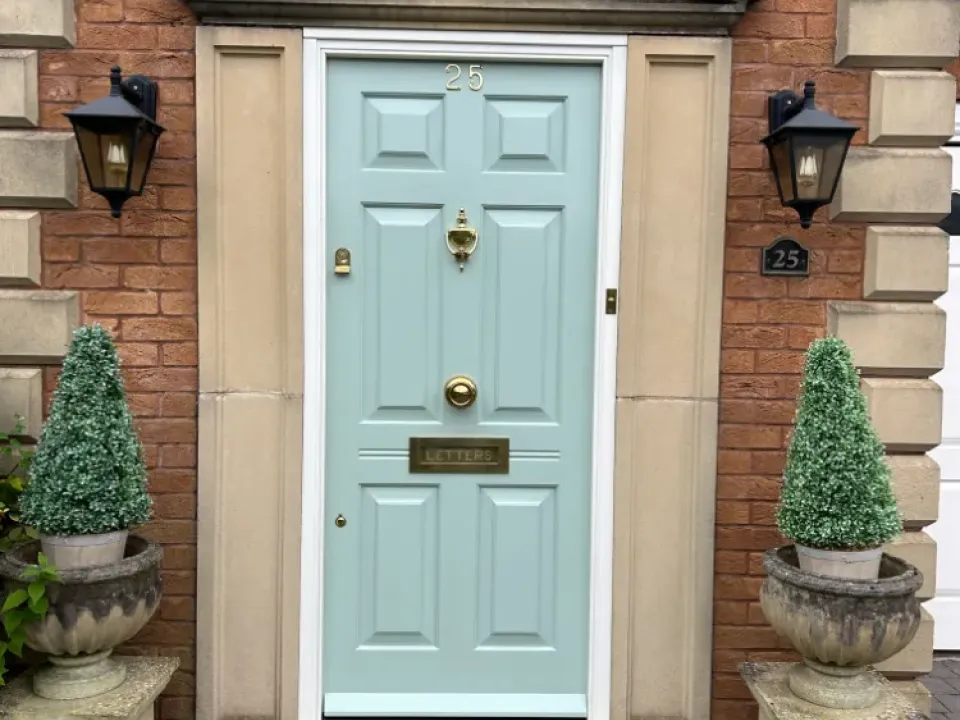
Most Nottingham homeowners can replace a front door in a conservation area without planning permission, as long as the house isn't listed, isn't covered by an Article 4 direction, and the new door is similar in appearance to the old one. Listed buildings are different: listed building consent is needed for most work, inside and out. This guide explains which parts of the city are protected, which consent you might need, and what a conservation-friendly door specification looks like.
We make heritage doors for period homes across the city from our workshop on Daleside Road, so these questions come up on almost every project. As our Nottingham door specialists will tell you, the rules are rarely the hard part. Getting a door that genuinely suits the building is what makes the difference, whether or not a planning officer ever looks at it.
This is general guidance, not legal advice. Rules can change and every property is different, so confirm the position for your address with your local council before work starts.
Which Nottingham Areas Are Conservation Zones?
Nottingham City Council lists 33 conservation areas within the city boundary. They range from the city centre to former villages that were absorbed as Nottingham grew. The ones homeowners most often ask us about include:
- The Park, the planned Victorian estate beside the castle, which has its own supplementary planning document
- Mapperley Park and Alexandra Park, with their large Victorian and Edwardian villas
- The Lace Market and Castle, where Georgian and Victorian buildings sit side by side
- Arboretum, Forest Grove and Sherwood Rise, with substantial Victorian terraces and semi-detached houses
- Old Lenton and New Lenton, including Devonshire Promenade
- Wollaton Village, Wollaton Park, Clifton Village and Wilford Village, the older village cores
- Canning Circus, Waterloo Promenade and Sneinton
Being in a conservation area doesn't freeze a house in time. It means the council has a duty to preserve or enhance the area's special character, so changes to front elevations get more scrutiny than elsewhere.
Check the right council
Not every home with a Nottingham postcode is in Nottingham City. West Bridgford falls under Rushcliffe Borough Council, and Beeston under Broxtowe Borough Council; most of the Strelley conservation area also lies in Broxtowe. Those councils keep their own conservation area lists and policies, so check with whichever one covers your address.
Article 4 directions: the detail that catches people out
An Article 4 direction removes some of the permitted development rights a house would normally have. Nottingham City Council says its property-specific directions, mostly within conservation areas, can restrict minor works including changes to windows and doors, with details varying by direction. It lists directions covering properties at Devonshire Promenade, Foxhall Road, Sneinton, Strelley Village, Waterloo Promenade and Wellington Terrace. If your home is covered, replacing a front door can need planning permission even when it would be exempt elsewhere.
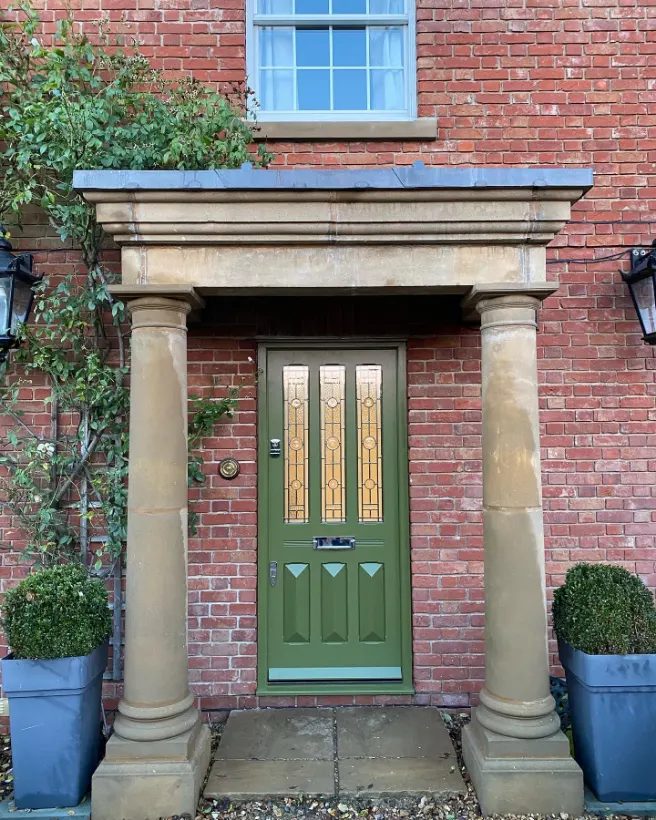
Planning and Listed Building Consent for Door Replacement
Houses in a conservation area (not listed)
The Planning Portal says new doors on a house are generally covered by permitted development where they are of a similar appearance to those used in the construction of the house. In practice, a well-made timber door that respects the original design is usually fine. Swapping a timber panelled door for a uPVC one is where problems start, particularly where an Article 4 direction applies. Leaseholders may also need permission from their landlord or management company.
Listed buildings
Listed buildings are graded I, II* or II. Nottingham City Council states that listed building consent is needed for most building work, internal and external, to a listed building, and Historic England notes that removing or replacing a door on a listed building may need consent. This is the one area where you should never assume: check before any work starts, including on internal doors.
Historic England's advice for homeowners is consistent: keep historic doors and their furniture, such as the knob, knocker and letterbox, wherever possible. Repair is usually the better and cheaper option, and ordering a new door made to match should be a last resort. It also warns against cutting a door down to fit, which weakens it and rarely looks right.
How to check before you spend anything
- Use Nottingham City Council's online property checker to see whether your address is listed or in a conservation area
- Check the National Heritage List for England if you think the building may be listed
- Use the council's Minor Works Enquiry Service to confirm whether an Article 4 direction affects your door
- For informal advice, contact the council's heritage and design team at
This email address is being protected from spambots. You need JavaScript enabled to view it.
Approved Timber Specifications for Period Buildings
There's no single approved door specification for Nottingham's conservation areas, and the council's 2025 conservation guidance notes don't set out door-specific rules. They do, however, show what officers look for in period joinery, and the same principles apply to doors.
- Like-for-like design and material. The guidance asks for replacement windows to be like-for-like in design and material. Expect a door to be judged the same way: matching panel layout, mouldings, glazing pattern and fanlight.
- Timber on listed buildings. For listed buildings, the guidance states that only timber will be accepted when replacing existing timber.
- Suitable timbers. The guidance names Sapele, Accoya and Scandinavian pitch pine among appropriate timbers for windows.
- Traditional finishes. It recommends linseed oil-based paints, as advised by Historic England, rather than acrylic or plastic-based paints.
- Detailed drawings. For windows on listed buildings it asks for 1:20 drawings and a schedule. A consent application for a door will need comparable detail.
This is where a joiner's evidence matters. Our heritage doors are designed from documented historical reference, such as surviving doors on the same street, old photographs and the building's own fabric, and the drawings we produce are made to support listed building consent where it's required. If you're also looking at windows, our guide to heritage windows and conservation covers the same ground for sashes and casements.
Repair, Reinstate or Replace?
Before thinking about consent, decide what the door actually needs. A sticking, draughty original door can often be repaired, re-hung and draught-proofed. Historic England describes reducing draughts as one of the most cost-effective and least intrusive energy improvements. If the original has already been lost to an unsuitable modern replacement, reinstating a door in the correct period style is usually welcomed in a conservation area, because it enhances the street rather than eroding it.
For a door that has to be replaced, the brief is simple: match what the building was built with. That means getting the era right, which our guide to choosing the right wooden door for a period property covers in detail, along with the timber, the glass and the ironmongery.
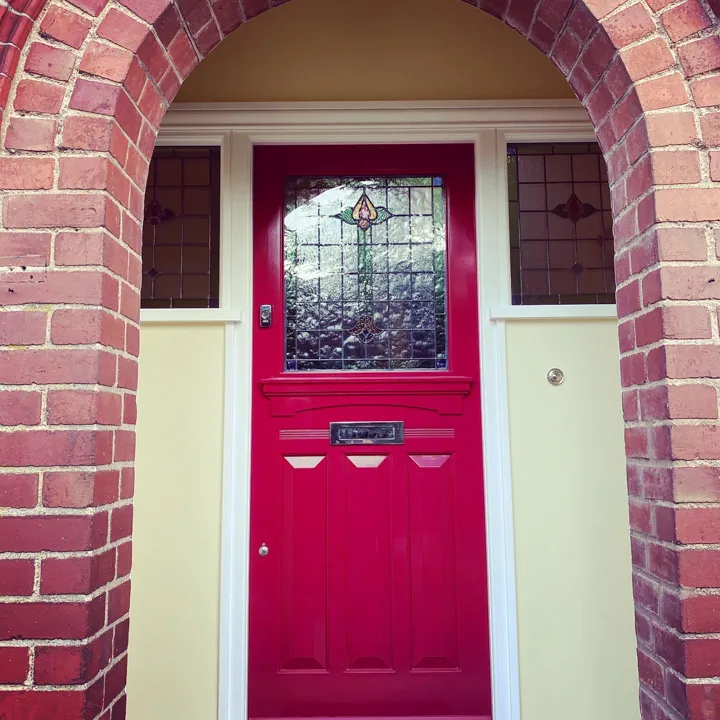
How We Handle Conservation Projects
Every heritage door we make starts with the building. We look at what the property was built with, what survives on neighbouring houses and what the council is likely to expect. We then design the door, with drawings, before any timber is cut. Because the same team designs, makes and fits the door, the detail agreed at the drawing stage is the detail that ends up on your house. If you're unsure what your project needs, it's worth reading about what affects the cost of a bespoke wooden door before you start gathering quotes.
Frequently Asked Questions
Do I need planning permission to replace my front door in a Nottingham conservation area?
Not usually, if your home is a house, the property isn't covered by an Article 4 direction and the new door is similar in appearance to the existing one. If an Article 4 direction applies, or the building is listed, you're likely to need permission or consent first. Nottingham City Council's Minor Works Enquiry Service can confirm what applies to your address.
How do I find out if my house is in a conservation area?
Nottingham City Council has an online property checker and a conservation areas map that show whether an address sits within one of the city's 33 conservation areas. If you live in West Bridgford, Beeston or other areas outside the city boundary, check with Rushcliffe or Broxtowe Borough Council instead.
Can I replace a timber door with uPVC or composite in a conservation area?
On a listed building, Nottingham's guidance is clear that only timber will be accepted when replacing existing timber, and that's stated for windows. In a conservation area, the test usually rests on whether the new door looks similar and preserves the character of the area. Where an Article 4 direction applies, swapping a timber door for uPVC is exactly the kind of change the council will look at closely, so check before ordering.
Do I need listed building consent to replace an internal door?
Potentially, yes. Nottingham City Council states that listed building consent is needed for most building work to a listed building, both internal and external. Historic England notes that original panelled doors are often key features of a room. Always check before removing one.
Should I repair or replace an original period door?
Historic England's advice is to keep historic doors and their furniture wherever possible, as repair is usually cheaper and preserves the original. A new door made to match is the right answer when the original is lost, beyond saving, or has already been replaced with something unsuitable.
Sources and Useful Links
- Nottingham City Council: conservation areas
- Nottingham City Council: conservation areas and listed buildings
- Nottingham City Council: Article 4 directions
- Nottingham Conservation Areas Guidance Notes (2025)
- Historic England: altering a door
- Planning Portal: doors and windows
Planning a Door for a Protected Home?
Tell us about your property and we'll talk through what the building needs, what the council is likely to expect and how we'd approach the design. Every quote is free and no-obligation. You can also see heritage doors we've made or get a quote from our Nottingham workshop.
Looking to enhance your period home with bespoke craftsmanship? At Old English Doors, we specialise in creating custom wooden doors, windows, porches, and more - designed to reflect your home’s unique charm. Contact us today for a personalised quote and bring timeless elegance to your property.
