How Much Do Bespoke Wooden Doors Cost in Nottingham? (Price Guide)
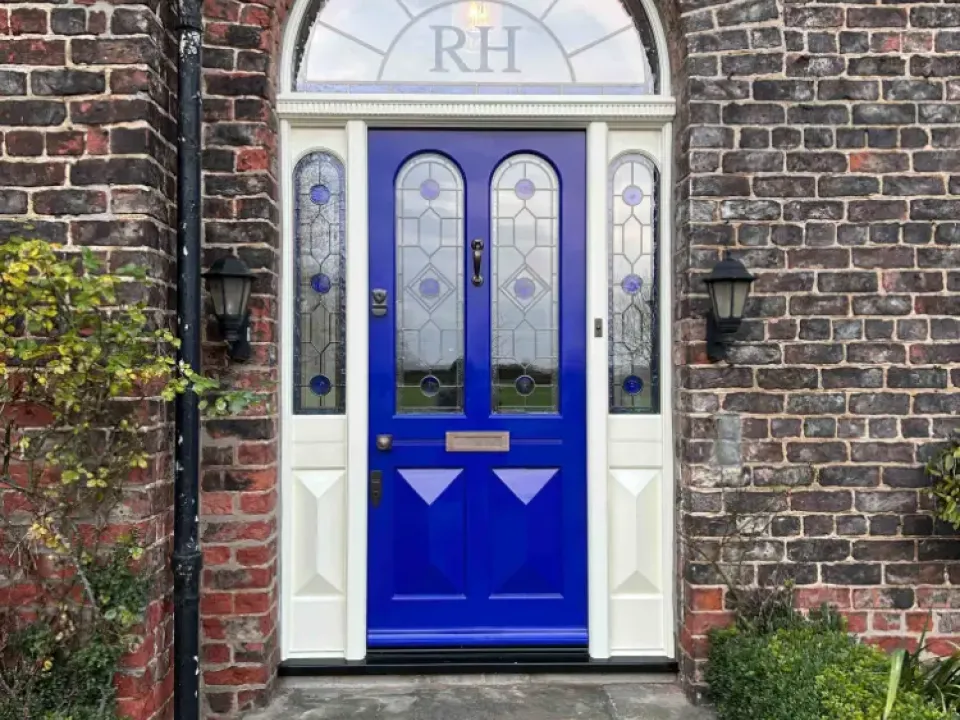
There is no single price for a bespoke wooden door in Nottingham, because each one is designed and made for a specific opening, property and brief. The cost comes down to five things: the size and shape of the opening, the timber, the design and joinery detail, the glazing, and the ironmongery, finish and fitting. This guide explains how each one moves the price, how front and internal doors differ, and how to get a quote you can genuinely compare.
At Old English Doors every door is designed from scratch and made in our workshop on Daleside Road, so we don't publish a price list. What we can do is show you where the money actually goes. It's the same conversation we have with homeowners before quoting for any of our joinery services in Nottingham.
Why Bespoke Wooden Doors Don't Come with a Price Tag
Nottingham's housing stock is the main reason. A Victorian terrace in Lenton or Sherwood, an Edwardian villa in West Bridgford or Mapperley Park, and a Georgian townhouse near the Lace Market were all built to different proportions, and after a century or more of settlement very few of their doorways are still square or a standard size. An off-the-shelf door has to be cut down to fit, which weakens the stiles and rails and throws out the panel proportions that make a period door look right.
A bespoke door starts from the opening instead. That means two doors in the same style can cost quite different amounts, simply because one is taller, has a fanlight above it or needs a new frame. Any figure quoted before someone has looked at your doorway is a guess.
What Drives the Price of a Bespoke Door
1. The size and shape of the opening
Larger doors use more timber and take longer to make, and Victorian and Edwardian front doors are often taller and wider than modern ones. Arched heads, fanlights and sidelights turn a single door into a full doorset, which adds components, glazing and fitting time. The condition of the existing frame matters too. If it's sound it can sometimes be kept; if it has rotted at the foot or moved out of square, a new frame becomes part of the job.
2. The timber
Timber is one of the biggest single costs. Hardwoods such as oak are denser and more stable than softwoods but cost more per cubic metre and are slower to machine. Modified timbers such as Accoya are engineered for exceptional stability outdoors and are priced accordingly. Cheaper doors often use engineered or veneered cores rather than solid timber, which keeps the price down but limits how well the door can be repaired later.
Every door we make is built in solid hardwood using traditional mortice and tenon joinery. We'll talk you through which timber suits your door's exposure, finish and budget before you commit.
3. Design and joinery detail
A plain ledged or flush-faced door has relatively few parts. A Victorian four-panel door with raised and fielded panels, bolection mouldings and a carved frieze has many more, and each one is cut, fitted and jointed by hand. The more components and the finer the detail, the more workshop hours go into the door, and labour is a large share of any bespoke price.
4. Glazing and stained glass
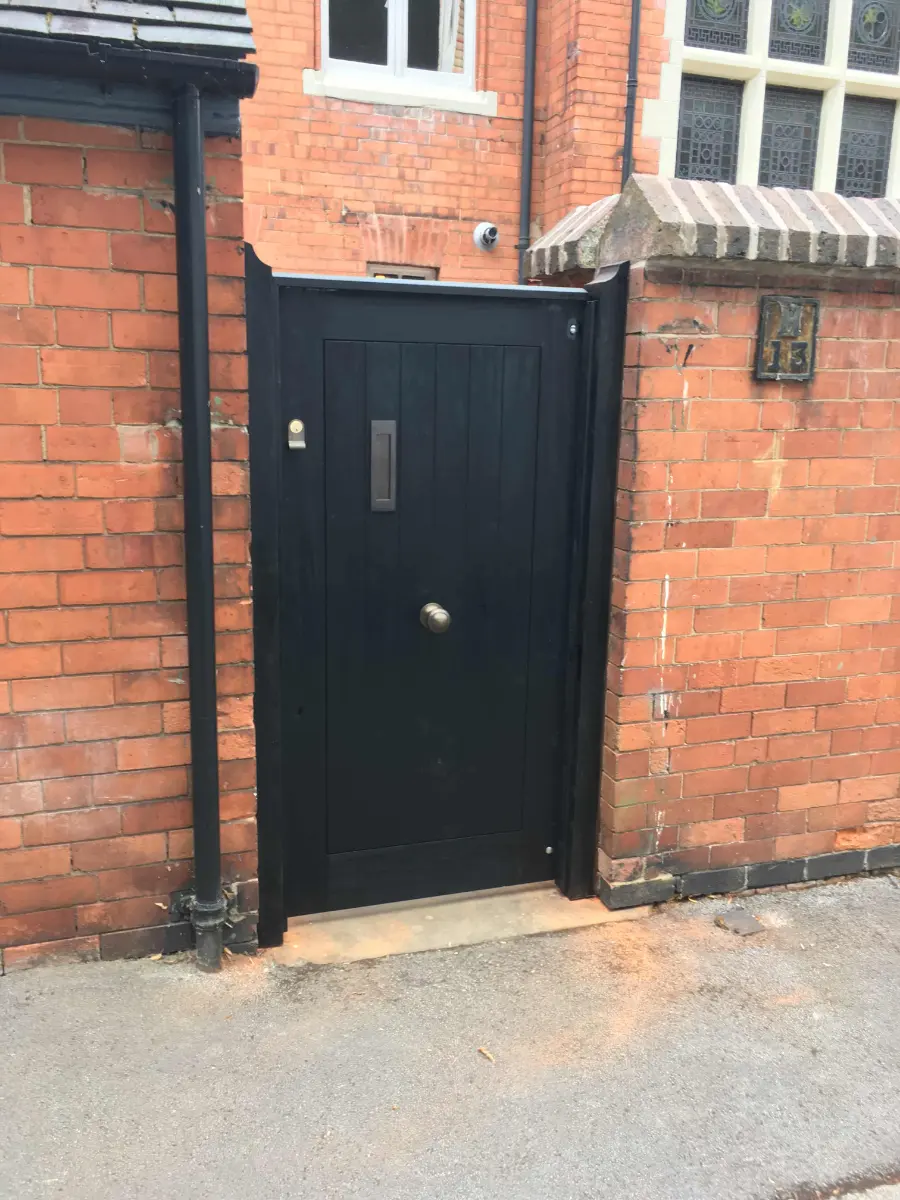
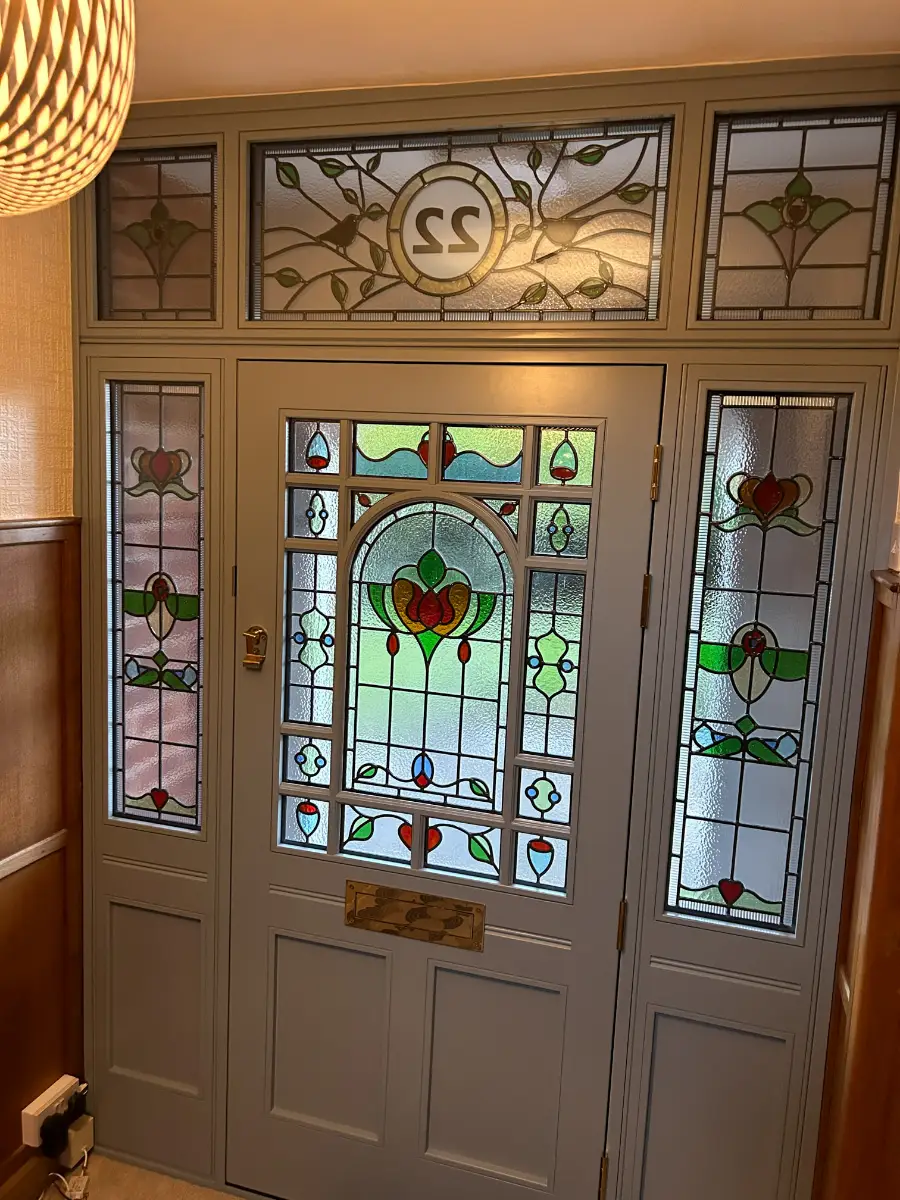
Glass is often the biggest variable of all. Plain double-glazed units are the most economical option. Leaded lights, bevelled glass and hand-made stained glass panels take far longer, because each piece is cut, leaded and soldered by hand. Matching or restoring original Victorian glass sits at the top end, as it involves copying the existing design and sourcing glass with the right colour and texture. If your door has original glass worth keeping, it can often be reused in a new door, which changes the cost picture. You can see more of this work on our hand-leaded stained glass page.
5. Ironmongery, security and finish
Hinges, locks, letter plates, knockers and handles can range from basic to solid brass heritage pieces, and the difference adds up quickly across a doorset. Security choices such as multi-point locking also affect the price. Then there's the finish: a properly applied paint or stain system protects the timber and largely determines how often the door will need maintenance.
6. Fitting and making good
Removing the old door, fitting the new one, setting the threshold and making good any plaster or brickwork disturbed in the process all take time. Period properties often hold surprises once an old frame comes out, so a quote from someone who has seen the doorway will be more reliable than one based only on measurements.
Front Door vs Internal Door Cost Factors
Front doors almost always cost more per door than internal ones, because they have to do far more work. An external door faces Nottingham's wind and rain on one side and a heated hallway on the other, so it needs thicker timber, weather seals, a threshold, a durable finish system and proper locks. Our handcrafted external wooden doors are built with that exposure in mind.
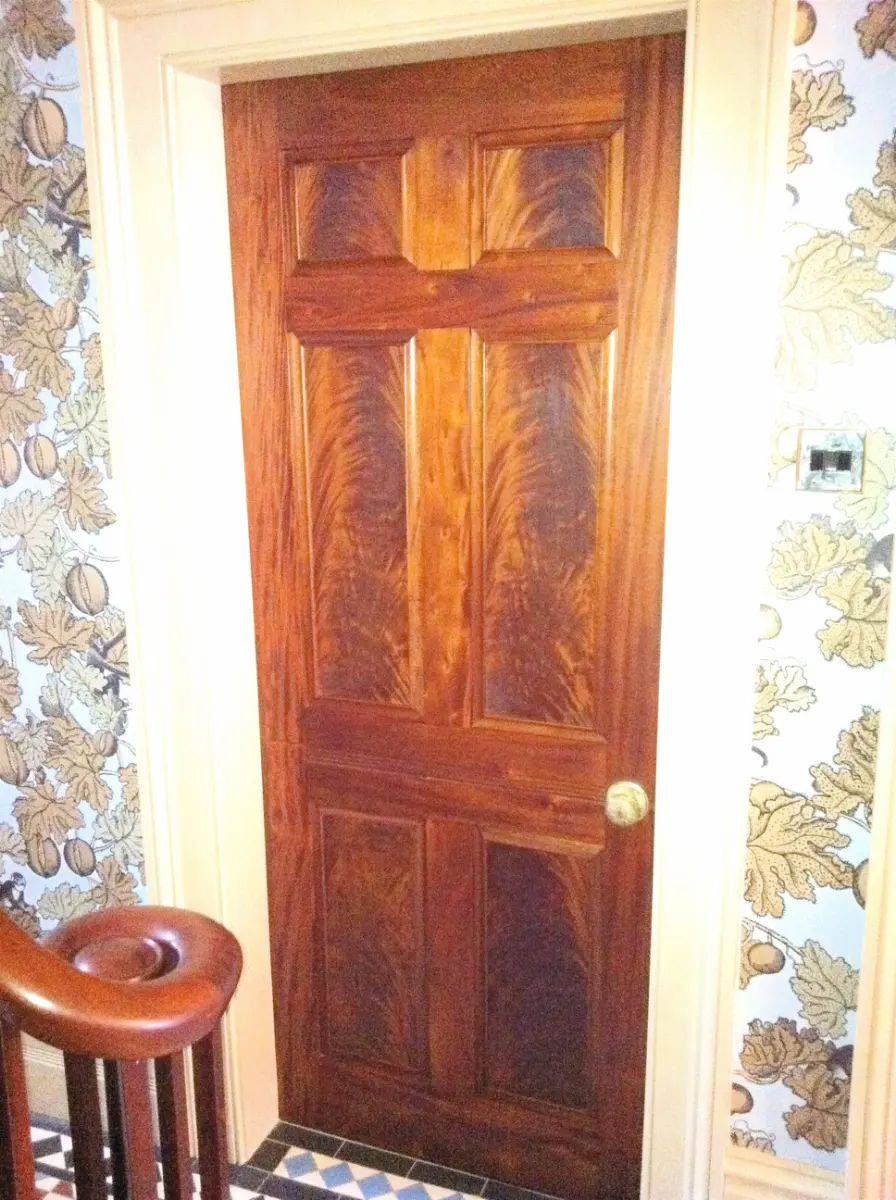
Internal doors are simpler individually but are often ordered as a set, so the total depends on how many you need and how closely they must match existing originals. Copying a surviving four-panel door so a new one blends in alongside it is a common request in older Nottingham houses. If building regulations call for fire-rated doors, for example on a new loft conversion, that requirement will also shape the specification. Take a look at our bespoke internal wooden doors for examples.
| Cost factor | Front door | Internal door |
|---|---|---|
| Timber thickness | Thicker sections to resist weather and movement | Thinner sections, no weather exposure |
| Glazing | Sealed units, often with leaded or stained glass | Single glazing or decorative glass where wanted |
| Ironmongery | Locks, letter plate, knocker, weather bar | Latch, handles and hinges |
| Frame and threshold | Often needs replacing in older properties | Existing linings frequently reused |
| Finish | External-grade paint or stain system | Interior paint, stain or wax |
Is a Bespoke Wooden Door Worth the Extra Cost?
A bespoke timber door costs more upfront than a standard door, and more than most uPVC or composite alternatives. The case for it rests on fit, proportion and lifespan. A door made for its opening closes properly and seals properly, and well-made solid timber can be repaired, stripped and refinished rather than thrown away when it starts to look tired. On a period house, a door with the right proportions also protects the character that gives the property much of its appeal. If you're weighing timber against composite, our guide to composite doors vs wooden doors sets out the differences.
Getting an Accurate Quote from a Local Joiner
The most useful thing you can do is make sure every quote you collect covers the same things. A vague single figure tells you very little. A good quote should set out:
- The design, ideally with a drawing, so you know exactly what you're paying for
- The timber species and whether it's solid or engineered
- The glazing specification, including any leaded or stained glass
- The ironmongery and locks included
- The finish, and whether it's applied before or after fitting
- Whether a new frame is included or the existing one is reused
- Fitting, removal of the old door and making good
- Whether VAT is included
It also helps to know who will actually make and fit the door. When the same team designs, builds and installs it, nothing is lost between the person who measured your doorway and the person who hangs the door. That's how we work at Old English Doors, from first conversation to final fitting.
If your home is listed or sits in a conservation area, raise it early. It can affect the design you're able to choose, and it's worth checking with Nottingham City Council before you commit to a specification. Our heritage-compliant joinery is designed from documented historical reference to support consent applications where they're needed.
Ways to Control the Cost Without Cutting Corners
- Keep what's sound. A good existing frame or original glass can often be retained.
- Simplify where it won't show. A back or side door rarely needs the same level of detail as the front.
- Choose glazing deliberately. Decide where stained glass genuinely adds to the house and where plain glass will do.
- Plan work together. Combining a front door with internal doors or windows can make the project more efficient than separate jobs.
- Don't economise on the timber or the finish. They decide how long the door lasts, so savings here tend to cost more later.
Frequently Asked Questions
How much does a bespoke wooden front door cost in Nottingham?
It depends on the size of the opening, the timber, the design, the glazing, the ironmongery and the fitting involved. Because every door is made for a specific doorway, the only reliable figure is a quote based on your property. We provide these free and with no obligation.
Why is a bespoke door more expensive than an off-the-shelf door?
A bespoke door is designed and made by hand for one opening, in solid timber, with joinery and glazing chosen for that property. A standard door is mass-produced to fixed sizes and often has to be cut down to fit older doorways, which compromises its strength and proportions.
Are internal doors cheaper than front doors?
Individually, yes. Internal doors don't need weather seals, external-grade finishes or heavy-duty locks. The total for a set of internal doors depends on how many you need and how closely they have to match existing originals.
Does stained glass add much to the cost of a door?
Hand-made leaded and stained glass is one of the larger cost variables, because each piece is cut and leaded by hand. Reusing sound original glass, or limiting stained glass to the panels where it matters most, can help keep the cost in proportion.
What information do I need to get a quote?
Tell us about your property, which door or doors you're replacing, the style you have in mind and anything you'd like to keep, such as original glass. From there we'll talk through the design and options and arrange to see the doorway before giving you a firm quote.
Get a Price for Your Own Door
Every door we make is priced for the property it's going into, and the people quoting are the people who will build it in our Nottingham workshop. Tell us about your project and we'll come back to you with a free, no-obligation quote. You can also browse our recent door projects or see the full range of bespoke timber doors made in Nottingham.
Looking to enhance your period home with bespoke craftsmanship? At Old English Doors, we specialise in creating custom wooden doors, windows, porches, and more - designed to reflect your home’s unique charm. Contact us today for a personalised quote and bring timeless elegance to your property.